11. High altitude has multiple effects on humans.
The first issue being the constant climate changing from extreme heat and extreme
cold. The more common issue though is the result of higher air pressure. This
is due to the atmosphere being less dense in higher altitudes. The consequence
of this is hypoxia, also known as oxygen deprivation. This occurs because the
low air pressure makes it hard for oxygen to pass through humans selectively permeable
lungs. This results of this start with being easily fatigued in physical
activity, lack of appetite, vomiting, headache, distorted vision, fatigue, and
difficulty thinking clearly. Later it
can result in severe hemorrhaging of the lungs and an abnormal accumulation of
fluid around the brain. It also causes high blood pressure and pulse rate,
causing stress to weaker hearts.
22. Short Term: The short term response is the fatigue
from physical activity. The reaction of being tired quickly alerts the person
being affected to stop and rest until acclimatization can occur.
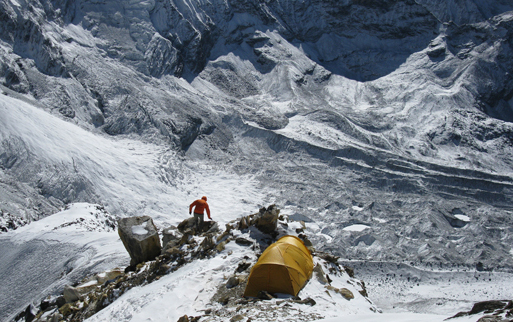
Facultative: The body will respond when
acclimatization takes place. Acclimatization occurs when stresses such as high
or low temperatures and intense ultraviolet radiation occur from sun
light, or high altitude. The body will produce additional red blood cells and
capillaries in order to carry more oxygen. Another occurrence is that the vascular
network of muscles work increases better allowing for the transfer of gasses.
These changes revert after a few weeks of remaining in low altitude.

Developmental Adaptation: One adaptation from
thousands of years of natural selection is an increase in the production in
hemoglobin. Hemoglobin is a gas transporting protein that exists within a red
blood cell. It allows for increased amounts of oxygen to be carried in the
blood.

Cultural Adaptation: One example of a
cultural adaptation for high altitude is cabin pressurization in airplanes. In
this process air is taken and greatly heated to compact it together, then it is
cooled and expanded for the cabin, and effectively creates a high oxygen
density in high altitude.

33. Without understanding how and why environmental issue
effect the human body there would be no way to create a solution. When human
limitations are tested solutions can be designed. For example cabin
pressurization would never have been designed if there was no knowledge of why hypoxia
occurred for some and not others at higher altitude. It can be used to identify
who is at risk for certain conditions, therefore preserving human life.
44. To put it simply race has no influence on
scientific findings. Race was an American concept that is irrelevant
scientifically in any way. Environmental influences are what cause adaptation
making it the relevant way to study human variation. Race groups people in way
where adaptation patterns are missed because it has no impact on environmental
location, which is where adaptation can be noticed.

Dear Austin,
ReplyDeleteGreat blog. I also did the high altitude stress and know how hard it is to find pictures of nausea, vomiting or any of these symptoms. I have “graph envy” of your find on altitude and acclimatization oxygen saturation. That graph really shows the facultative response. It’s a perfect fit. All of your pictures are great and fit the descriptions. I also liked the cultural solution of cabin pressurization. This was a clever response, because cabin pressurization is not what would immediately come to mind when you say cultural adaptation.
Good opening discussion on high altitude stress.
ReplyDeleteFor your short term adaptation, remember that an adaptation must have a positive affect on homeostasis. Fatigue is an indicator that your body is NOT adapting correctly. So what might be a positive, adaptive short term response to hypoxia?
Good discussion on the facultative adaptation.
For your developmental trait, this is a facultative trait. In order for it to be developmental, it has to be genetically encoded for a body to produce hemoglobin levels higher than individuals at lower altitudes. Is this what you meant? Another example of long term adaptations is a barrel-chested structure that allows for larger lung capacity.
Unique cultural adaptation!
" Without understanding how and why environmental issue effect the human body there would be no way to create a solution."
Exactly. Well said.
"To put it simply race has no influence on scientific findings."
I agree, though it isn't just an American concept. All cultures have their own subjective definitions of race, though they may not call it "race".
Other than a couple of points, good post.
Hi Austin,
ReplyDeleteGreat post, very informative! Until a couple years ago, I started noticing a difference in my body everything I go hiking in high altitude. I take longer brakes and dipper breaths. I completely agree that race has no influence on specific findings and it would probably be better if it did.
Great Post!
Claudia
great post, never knew how they pressurized cabin pressure, very interesting.
ReplyDeleteI know at certain altitudes people get headaches and sick from altitude sickness, I personally start feeling it at 900 feet.
Hello, Austin,
ReplyDeleteyou provided a very informative, and overall great post! i knew very little about acclimatization and now i know more. i found it interesting about the cabin pressurization.